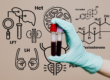

Growth hormone plays an important role in muscle maintenance, fat metabolism, bone health, exercise capacity, and general well-being. For a fuller explanation of what growth hormone does in the adult body, see our companion article, Growth Hormone in Adults: What It Is and Why It Matters.
When growth hormone activity is significantly lower than expected, adults may notice changes in body composition, energy, physical performance, and overall health.
However, these symptoms are common and can have many other causes. Low growth hormone should therefore be assessed carefully rather than diagnosed from symptoms alone.
What Happens When Growth Hormone Is Low?
The effects depend on the severity of the deficiency, how long it has been present, the person’s age, and whether other hormones are also affected.
Possible features include:
- Increased abdominal fat
- Reduced muscle mass
- Reduced strength
- Lower exercise capacity
- Persistent fatigue
- Reduced sense of well-being
- Unfavorable cholesterol levels
- Reduced bone mineral density
- Increased fracture risk
- Slower recovery from exercise
These symptoms may also occur with low testosterone, thyroid dysfunction, anemia, poor sleep, chronic illness, inadequate nutrition, or a sedentary lifestyle.
For this reason, symptoms alone cannot confirm growth hormone deficiency.
What Can Cause Low Growth Hormone Activity?
Several medical and lifestyle-related factors can affect growth hormone and IGF-1 levels.
Normal Aging
Growth hormone production gradually declines with age.
This is a normal physiological process and does not automatically mean that a person has a medical deficiency.
Excess Body Fat
Higher levels of abdominal and overall body fat are associated with lower natural growth hormone secretion.
Obesity may also reduce the response to growth hormone stimulation testing, making results more difficult to interpret.
Poor or Disrupted Sleep
A significant amount of growth hormone is released during deep sleep.
Insufficient sleep, fragmented sleep, irregular sleeping patterns, and untreated sleep apnoea may reduce normal overnight growth hormone secretion.
People who snore heavily, wake unrefreshed, or experience daytime sleepiness may benefit from further sleep assessment.
Inadequate Exercise
Exercise can temporarily stimulate growth hormone release.
A sedentary lifestyle may contribute to poor body composition and reduced metabolic health, although it does not usually cause true pituitary growth hormone deficiency by itself.
Poor Nutrition
Very low calorie intake, low body weight, protein deficiency, and malnutrition may reduce IGF-1 levels.
Liver disease may also reduce IGF-1 production because much of the circulating IGF-1 is produced by the liver.
Pituitary or Brain Disorders
True adult growth hormone deficiency may develop when the pituitary gland or hypothalamus is damaged.
Possible causes include:
- Pituitary tumours
- Brain tumours
- Pituitary surgery
- Radiation treatment involving the brain
- Traumatic brain injury
- Bleeding or reduced blood supply to the pituitary
- Inflammatory disease
- Certain infections
- Genetic or congenital conditions
- Growth hormone deficiency beginning in childhood
Growth hormone deficiency may occur together with deficiencies in other pituitary hormones, including thyroid, adrenal, or reproductive hormones.
How Is Growth Hormone Tested?
Growth hormone is released in pulses, so a random GH blood test is usually difficult to interpret.
Assessment often begins with an IGF-1 blood test because IGF-1 levels are more stable throughout the day.
However, a low IGF-1 level does not confirm growth hormone deficiency. It may also be affected by:
- Age
- Nutrition
- Liver disease
- Poorly controlled diabetes
- Thyroid dysfunction
- Chronic illness
If true adult growth hormone deficiency is suspected, a growth hormone stimulation test may be required.
This test assesses whether the pituitary gland can release an appropriate amount of growth hormone after stimulation.
In some cases, an MRI scan may also be recommended to examine the pituitary gland and surrounding structures.
Can Growth Hormone Be Too High?
Yes. Excess growth hormone may cause:
- Fluid retention
- Swelling
- Joint pain
- Muscle discomfort
- Numbness or carpal tunnel symptoms
- Reduced insulin sensitivity
- Higher blood glucose
- Headaches
Long-term natural overproduction can cause a condition called acromegaly, which is often related to a pituitary tumor.
For this reason, growth hormone treatment should always be medically supervised and monitored.
The Takeaway
Low growth hormone activity may affect body composition, muscle mass, bone density, energy, exercise capacity, and overall well-being.
However, the symptoms are not specific and may have many other causes.
Proper evaluation may include IGF-1, other hormone tests, assessment of sleep and lifestyle, and, when clinically indicated, a formal growth hormone stimulation test.
The aim is to identify a genuine deficiency and address any reversible contributing factors rather than treating symptoms alone. Growth hormone replacement is reserved for a properly documented deficiency — not for normal age-related decline — and any evaluation or treatment should be individualized and medically supervised.