Short-Term Testosterone Cycles: Why They Backfire When Levels Are Already Low
Why a short testosterone cycle tends to backfire when levels are already low — how it shuts down natural production, why recovery isn’t guaranteed, and what works instead.

CONTACT US
Tel. 063-976-4950
LINE : @transcendclinic

Why a short testosterone cycle tends to backfire when levels are already low — how it shuts down natural production, why recovery isn’t guaranteed, and what works instead.
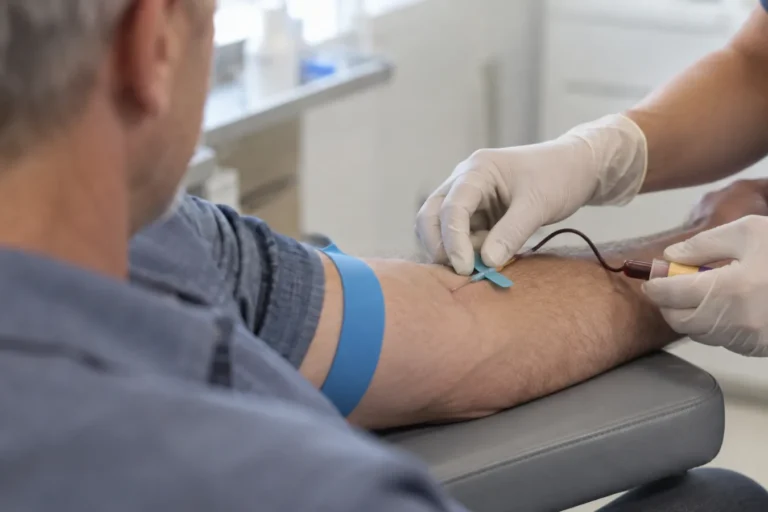
Total, free, and bioavailable testosterone each measure something different. Here is what each test shows, why SHBG can make a normal total misleading, and when the free or bioavailable fraction is worth ordering.

Growth hormone plays an important role in muscle maintenance, fat metabolism, bone health, exercise capacity, and general well-being. For a fuller explanation of what growth hormone does in the adult body, see our companion article, Growth Hormone in Adults: What It Is and Why It Matters. When growth hormone activity is significantly lower than expected,…

When people hear the term growth hormone, they often think only about childhood growth and height. However, growth hormone continues to play an important role throughout adult life. In adults, it helps support muscle mass, body composition, metabolism, bone health, physical performance, and general well-being. What Is Growth Hormone? Growth hormone, or GH, is a…
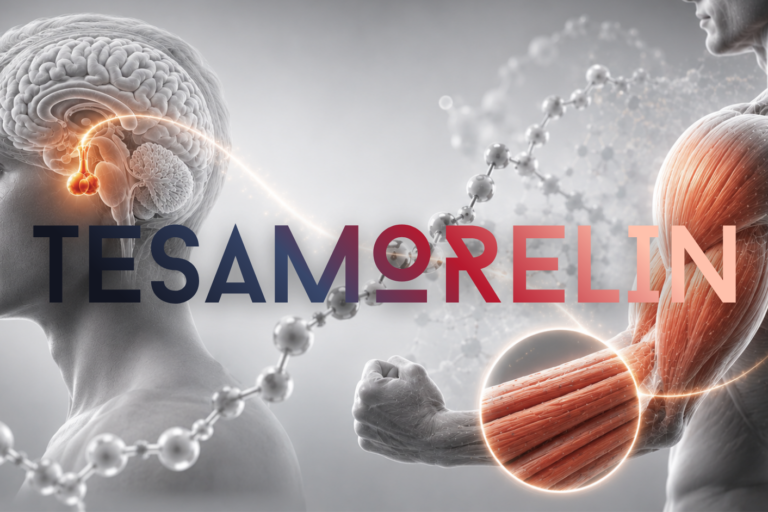
Tesamorelin is a peptide best understood by what it does at the most basic level: it prompts the body to release its own growth hormone (GH). Rather than supplying growth hormone from outside, it works upstream—signaling the pituitary gland to do the job itself. Here’s a clear, balanced look at how it works and what…

Clomiphene citrate (often known by the brand name Clomid) was originally developed to treat infertility in women. Today it has an important off-label role in men’s health—as an oral option for raising testosterone while keeping the body’s own production switched on. For the right patient, it can be an alternative to traditional testosterone replacement therapy…

Many patients come to us wanting to build muscle—whether for better health, improved performance, or just to feel stronger. But muscle growth doesn’t happen by accident. It’s a process influenced by several key factors that work together. Here’s a breakdown of what really matters: Resistance Training Muscles grow when they are challenged. Resistance training—using weights,…

PT-141, also known as Bremelanotide, is a peptide therapy developed to treat sexual dysfunction by stimulating the brain’s arousal centers. Unlike traditional medications that act on the vascular system, PT-141 works through the central nervous system—helping enhance libido and sexual responsiveness in both men and women. What Is PT-141? PT-141 is a synthetic peptide derived…
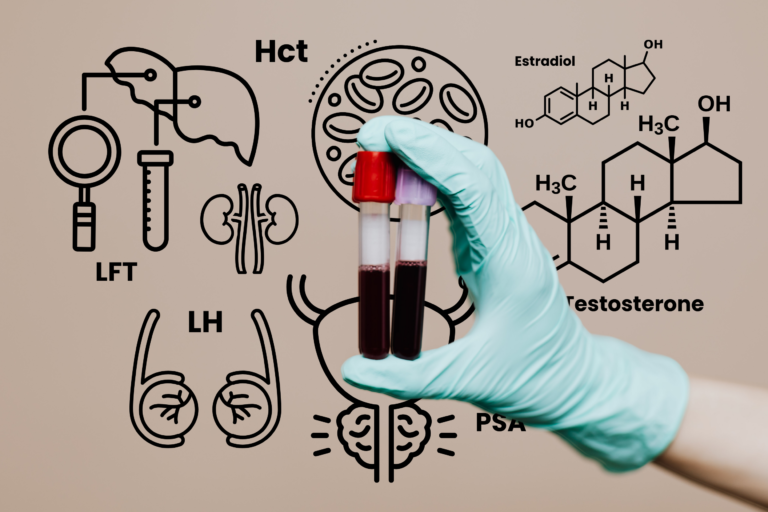
Many men experiencing fatigue, low libido, reduced motivation, erectile difficulties, or loss of muscle mass assume that one total testosterone result is enough to determine whether they need testosterone replacement therapy (TRT). However, testosterone levels must be interpreted alongside symptoms, related hormones, and important safety markers. A proper evaluation helps confirm testosterone deficiency, identify its…
Thymosin Alpha-1 (TA1) is a naturally occurring peptide that plays a pivotal role in regulating the immune system. Originally derived from the thymus gland, it has gained significant attention in the medical field for its ability to enhance immune function and help the body fight infections, inflammation, and even certain chronic conditions. Here, we explore…
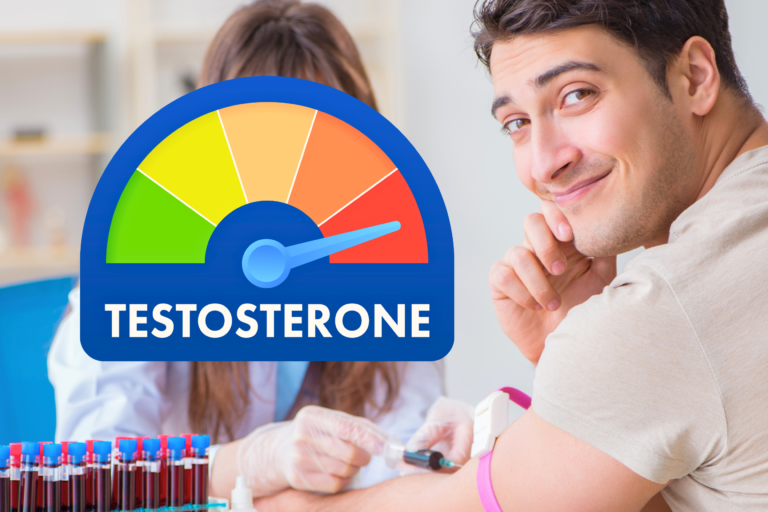
Testosterone levels naturally fluctuate throughout the day, making timing crucial when testing for accurate results. Here’s what you need to know to ensure you get the best readings: 1. Best Time of Day For most men, testosterone levels peak early in the morning, between 7:00 AM and 10:00 AM. This is when your body’s natural…
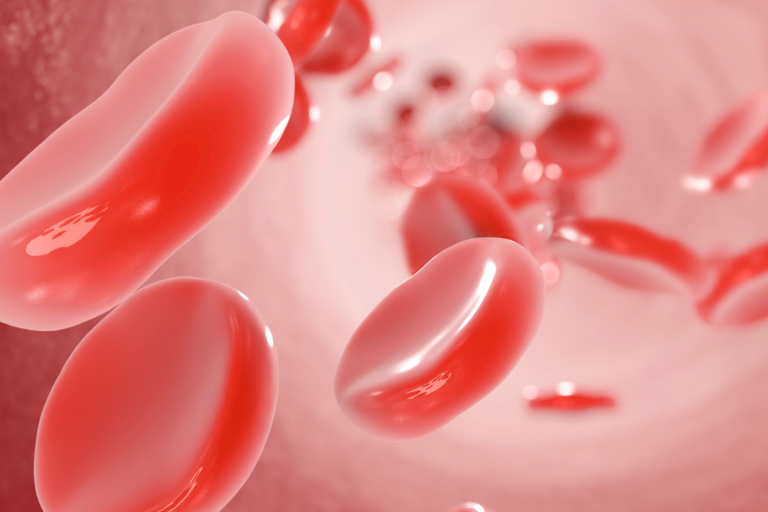
Testosterone Replacement Therapy (TRT) is an effective treatment for men with low testosterone, offering benefits like increased energy, improved mood, muscle growth, and enhanced sexual health. However, one potential side effect is polycythemia, a condition where the body produces too many red blood cells. What is Polycythemia? Polycythemia occurs when the blood has an…

Sleep is an often overlooked but essential factor in maintaining healthy testosterone levels. Poor sleep not only affects your daily energy levels but can also lead to a significant decrease in hormone production, including testosterone, which plays a crucial role in muscle growth, fat metabolism, libido, and overall well-being. In this article, we’ll explore the…
What is BPC-157? BPC-157 is a synthetic peptide derived from a naturally occurring protein in the human stomach, known for its remarkable regenerative and healing properties. This peptide has been the subject of extensive research due to its potential in accelerating tissue repair and reducing inflammation across various types of bodily injuries. Mechanism of…

Obesity and low testosterone are two prevalent health concerns that can significantly impact a man’s quality of life. What many people don’t realize is that these two conditions are often interconnected, creating a vicious cycle that can be challenging to break. At Transcend Clinic, we specialize in understanding and treating this complex relationship to help…
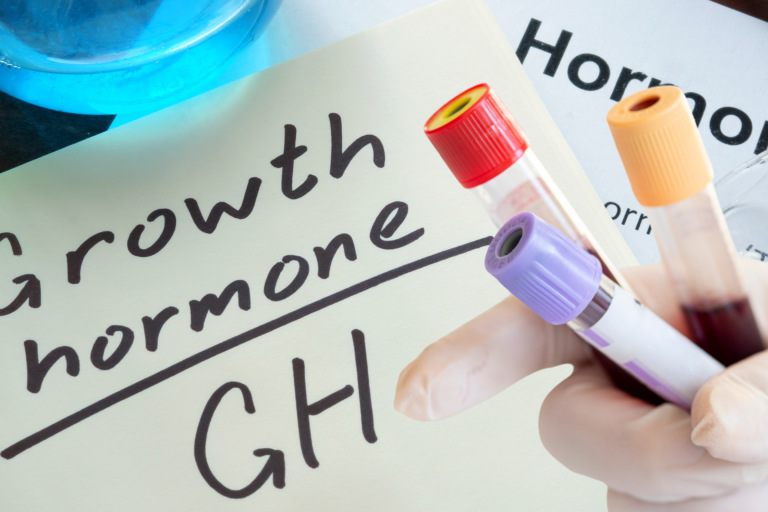
Growth hormone (GH) is essential for growth, metabolism, and overall health. While measuring GH levels directly might seem like the best approach to assessing its function, the Insulin-like Growth Factor 1 (IGF-1) blood test is often preferred. This article explains why IGF-1 testing is a better option and highlights the challenges associated with GH blood…

The Dual Role of Estrogen in Men’s Health Welcome to the intriguing saga of estrogen in men’s health—a delicate dance between love and hate, hero and villain. Often misconstrued as exclusively a ‘female’ hormone, estrogen plays a pivotal role in men’s health. When balanced, it safeguards cardiovascular wellness, fortifies bone density, powers libido, and aids…

What is Steroid-Induced Hypogonadism? Hypogonadism refers to a condition where the body produces insufficient levels of testosterone, the hormone responsible for male sexual development, muscle mass, bone density, and overall well-being. This condition occurs when the use of anabolic steroids or testosterone replacement therapy (TRT) without appropriate medical indications disrupts and suppresses the body’s natural…