Personalized Testosterone Therapy

At Transcend Clinic, we understand that no two patients are the same. Our approach to testosterone therapy is highly individualized, taking into account your symptoms, blood test results, age, fertility goals, medical history, lifestyle, treatment preferences, and budget.

Our goal is not simply to increase testosterone levels, but to help you achieve the best possible balance between symptom improvement, long-term health, safety, and quality of life.

Treatment Options

We offer a range of evidence-based treatment options, including:

  • Short-acting testosterone injections (Testosterone Enanthate)
  • Long-acting testosterone injections (Nebido®)
  • Topical testosterone therapy (Creams and Liposomal Gels)
  • HCG Therapy to support fertility and testicular function
  • Clomiphene Therapy for selected men with secondary hypogonadism
  • Estrogen management when clinically indicated
  • Lifestyle and nutritional guidance to support hormonal health and treatment outcomes

During your consultation, we will discuss the advantages and limitations of each option and develop a treatment plan that aligns with your individual goals.

Comprehensive Assessment Before Treatment

Before starting therapy, we perform a thorough evaluation to identify the underlying cause of low testosterone and determine whether treatment is appropriate.

This typically includes:

  • Review of symptoms and medical history
  • Physical assessment when indicated
  • Hormone testing
  • Safety screening, including blood count and prostate assessment when appropriate
  • Additional investigations based on individual risk factors and symptoms

Ongoing Monitoring and Safety

Testosterone therapy requires regular monitoring to ensure both effectiveness and safety.

Throughout treatment, we routinely assess:

  • Testosterone levels
  • Estradiol (estrogen)
  • Hematocrit and red blood cell count
  • Prostate health when appropriate
  • Treatment response and symptom improvement

Regular follow-up allows us to adjust treatment when necessary and identify potential issues early.

Our Philosophy

We believe successful testosterone therapy is not defined by achieving the highest hormone levels, but by finding the right balance for each individual patient.

Our treatment decisions are guided by current medical evidence, clinical experience, and ongoing patient feedback. By combining careful monitoring with a personalized approach, we strive to provide safe, effective, and sustainable long-term care.

How to Get Started with Testosterone Replacement Therapy (TRT) at Transcend Clinic

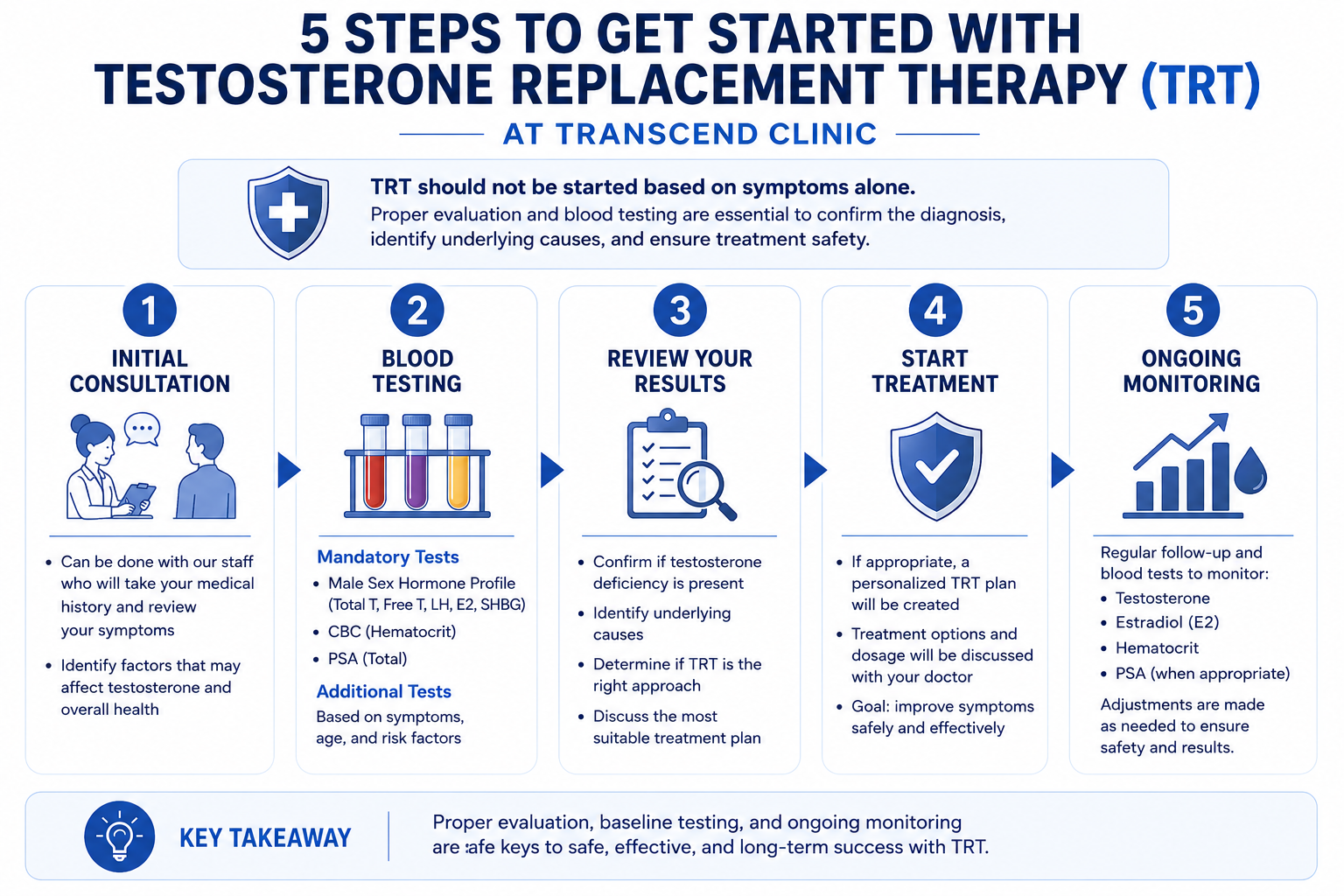
Many men experience symptoms such as low energy, reduced libido, erectile dysfunction, difficulty building muscle, increased body fat, poor recovery, low motivation, or brain fog. While these symptoms can be associated with low testosterone, they can also be caused by many other medical conditions.

At Transcend Clinic, TRT is never prescribed based on symptoms alone. A proper medical evaluation and blood testing are essential to confirm the diagnosis, identify potential underlying causes, and ensure treatment can be started safely.

Step 1: Initial Consultation

The first step is an initial consultation focused on history taking and symptom review.

This can be completed either online (via chat) or in person with our staff.

During this consultation, we review:

  • Your symptoms and health concerns
  • Medical history
  • Current medications and supplements
  • Previous hormone treatments, if any
  • Fertility goals
  • Lifestyle factors such as sleep, exercise, diet, and stress

Many conditions can produce symptoms that resemble low testosterone, including sleep apnea, thyroid disorders, chronic stress, obesity, metabolic disease, and certain medications. Identifying these factors is an important part of the evaluation process.

Step 2: Blood Testing

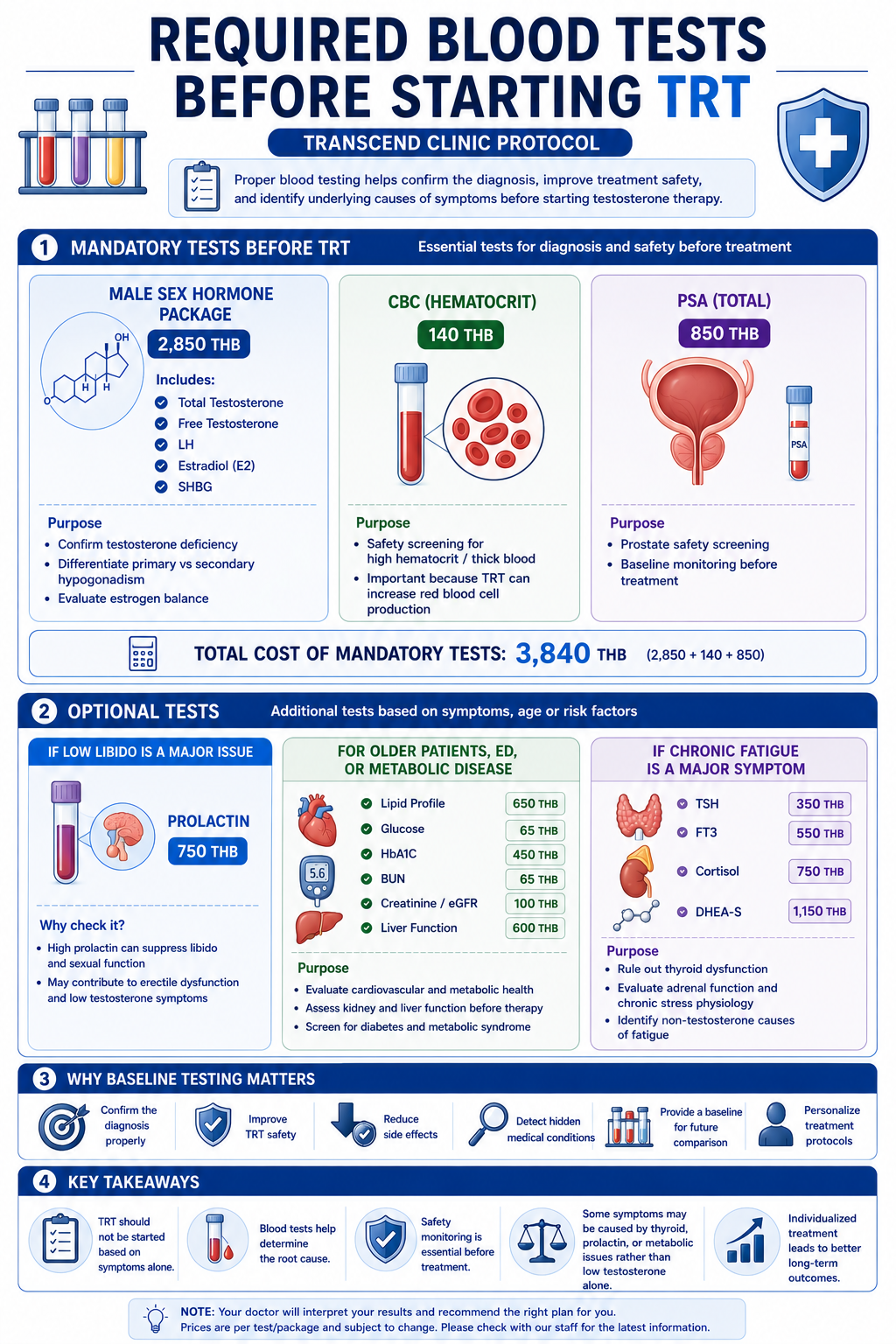
Blood tests are required before starting TRT.

The purpose of baseline testing is to:

  • Confirm whether testosterone deficiency is present
  • Differentiate primary from secondary hypogonadism
  • Identify underlying medical conditions that may contribute to symptoms
  • Establish a baseline for future comparison
  • Improve treatment safety

Mandatory Blood Tests Before TRT

Every patient should complete the following baseline tests:

Male Sex Hormone Profile

This hormone panel includes:

  • Total Testosterone
  • Free Testosterone
  • LH (Luteinizing Hormone)
  • Estradiol (E2)
  • SHBG (Sex Hormone-Binding Globulin)

These tests help confirm testosterone deficiency, evaluate hormone balance, and determine whether the issue originates from the testes or the pituitary gland.

Complete Blood Count (CBC)

Particular attention is paid to hematocrit, which measures the concentration of red blood cells.

This is important because testosterone therapy can increase red blood cell production. Establishing a baseline helps assess treatment safety and monitor for excessive elevations in the future.

PSA (Prostate-Specific Antigen)

PSA is used as a baseline prostate health assessment before treatment.

While TRT does not cause prostate cancer, baseline PSA testing helps identify patients who may require further evaluation before starting therapy.

Additional Tests That May Be Recommended

Depending on your symptoms, age, and risk factors, additional blood tests may be appropriate.

If Low Libido Is a Major Concern

Prolactin

Elevated prolactin levels can contribute to:

  • Reduced libido
  • Erectile dysfunction
  • Symptoms that may mimic low testosterone

For Older Patients or Those With Metabolic Risk Factors

Additional tests may include:

  • Lipid Profile
  • Fasting Glucose
  • HbA1c
  • Kidney Function Tests
  • Liver Function Tests

These tests help assess cardiovascular and metabolic health before treatment.

If Fatigue Is a Major Symptom

Additional evaluation may include:

  • TSH
  • Free T3 (FT3)
  • Cortisol
  • DHEA-S

These tests help identify thyroid disorders, adrenal dysfunction, and other non-testosterone-related causes of fatigue.

What If I Already Have Blood Test Results?

  • If you have recent blood test results, feel free to bring them to your consultation.
  • In many cases, recent results can be used if they include the necessary hormone markers and have been performed within the previous few months.

Step 3: Review Your Results

Once the results are available, they are reviewed with your physician.

This discussion focuses on:

  • Whether testosterone deficiency is present
  • Potential causes of your symptoms
  • Any additional findings from the blood tests
  • Whether TRT is appropriate
  • The most suitable treatment strategy for your individual situation

Not every patient with low energy, low libido, or fatigue requires TRT. In some cases, another underlying condition may be identified and addressed first.

Step 4: Start Treatment

If TRT is appropriate, a personalized treatment plan will be developed.

The treatment protocol, dosage, administration method, and monitoring schedule will be discussed with your physician based on your symptoms, blood test results, medical history, and treatment goals.

The objective is not simply to increase testosterone levels, but to achieve meaningful symptom improvement while maintaining safety.

Step 5: Ongoing Monitoring

TRT requires regular follow-up and monitoring.

Periodic blood tests help evaluate:

  • Testosterone levels
  • Estradiol (E2)
  • Hematocrit
  • PSA when appropriate

Regular monitoring allows treatment to be adjusted when necessary and helps ensure long-term safety and effectiveness.

Introducing Testosterone: The Essential Male Hormone

Testosterone, widely recognized as the male sex hormone, is primarily produced by the testicles and plays a crucial role in the growth and development of male organs. Beyond promoting a healthy lifestyle and sexuality, testosterone impacts various systems and functions in the body, affecting your appearance, mood, cognitive function, well-being, and, most importantly, your sexual health.

The Inevitable Decline: Age and Lifestyle Factors

As men age, testosterone production naturally declines, with a roughly 1% decrease each year starting in the mid-30s. However, unhealthy habits and sedentary routines prevalent in modern lifestyles can cause testosterone levels to drop even earlier and more rapidly. Obesity, chronic diseases like diabetes, chronic infections, excessive alcohol consumption, and prolonged physical or mental stress are among the factors that can contribute to an accelerated decline in testosterone production.


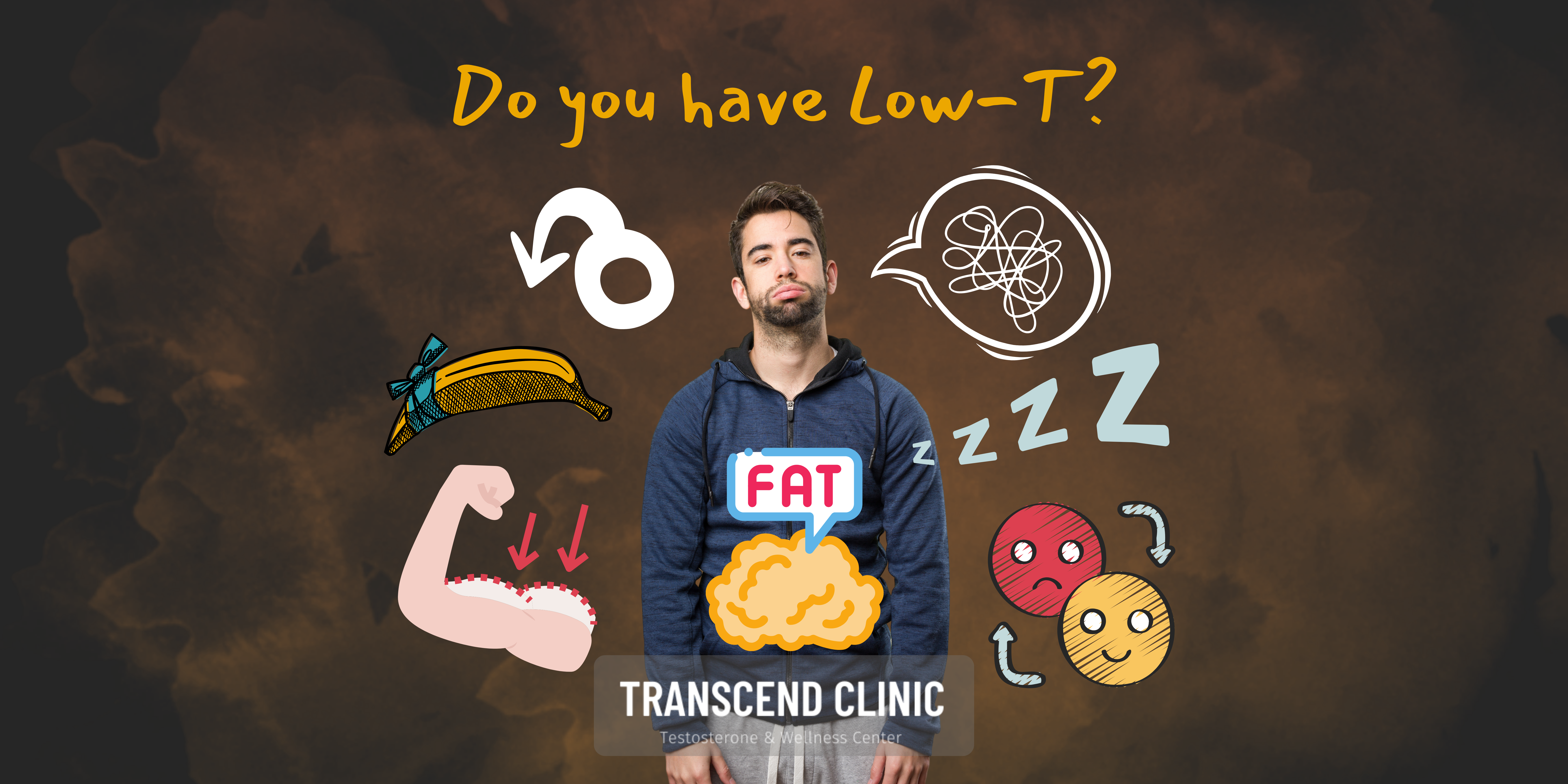
Recognizing the Signs and Symptoms of Low Testosterone (Low T)

There are various signs and symptoms associated with Low Testosterone, some strongly suggesting the condition while others not necessarily linked to it.

Diminished Sex Drive (Libido)

A reduced libido is a common indicator of low T. Although men may experience a decline in sex drive as they age, those with low T may face a more significant decrease in sexual desire and interest.

Erectile Dysfunction

Testosterone triggers the process leading to an erection. Low testosterone levels can make it challenging to achieve erections before sex or experience spontaneous erections during sleep. If you’re experiencing other symptoms on this list, it’s worth investigating low testosterone alongside other potential health conditions.

Hair Loss

Testosterone converts to DHT, stimulating facial and body hair growth. Men with low T may notice hair loss or receding facial, axillary, and pubic hair.

Reduced Muscle Mass

Although testosterone doesn’t directly affect muscle function and strength, it’s essential for building and maintaining muscle mass. Men with low T may experience progressive muscle mass loss, leading to decreased endurance and overall strength.

Increased Body Fat and Weight Gain

Testosterone helps regulate fat metabolism, exerting catabolic effects on adipose tissue and stimulating the metabolic rate. Men with low T tend to have higher body fat and appear overweight.

Low Ejaculate Volume

Reduced testosterone levels can also lead to decreased semen volume and sperm count, as it is vital for normal sperm production.

Fatigue and Loss of Energy

Chronic fatigue is a common nonspecific sign of low T. If you struggle to stay motivated or feel tired despite adequate sleep, low testosterone might be the cause, especially if you’re experiencing other symptoms on this list.

Mood Swings and Irritability

Low testosterone levels may cause mood swings and impact mental capabilities. As testosterone affects various bodily functions, its decline may alter men’s moods as they age.

Poor Concentration and Memory (Brain Fog)

Cognitive issues are common in men with low T. Decreased testosterone levels in older men are linked to cognitive decline, including brain fog, reduced memory, and difficulty concentrating.

• Depression and Anxiety

Studies have shown that men with low T are more likely to experience depression and anxiety than those with normal testosterone levels. Low-T can negatively impact GABA and serotonin receptors in the brain, inducing symptoms of depression and anxiety.

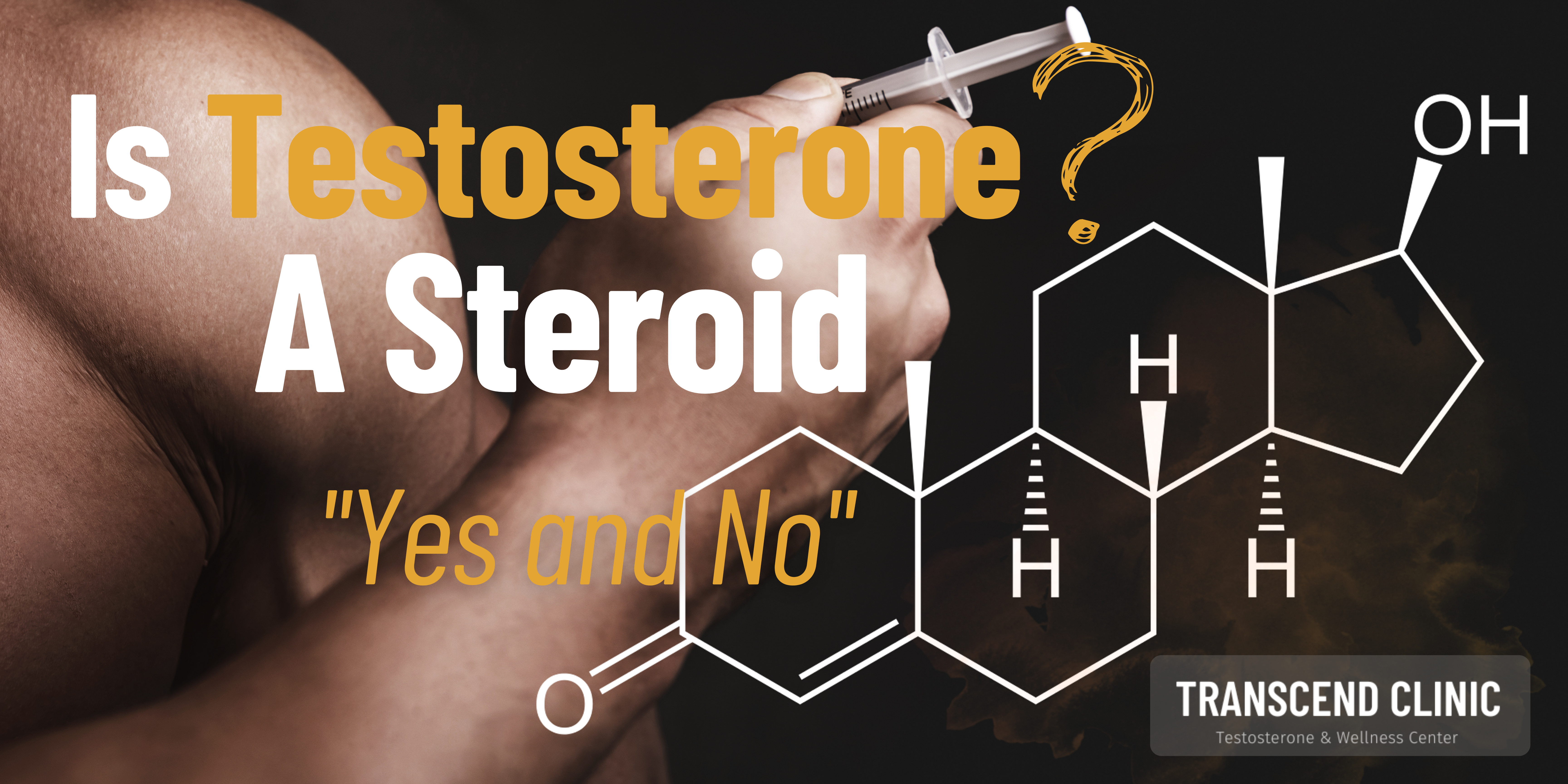
Is testosterone a steroid?

“Technically, yes, but not in the way most people mean.”

What is a steroid?

Steroids are biologically active organic compounds characterized by a molecular structure of 17 carbon atoms arranged in four rings. Plants, animals, and people naturally produce different types of steroids. They serve as essential components of cell membranes and as signaling molecules.

Examples include: lipid cholesterol, sex hormones (e.g. estradiol, testosterone), adrenal hormones, bile acids, anti-inflammatory medicine (e.g. dexamethasone), and synthetic anabolic steroids.


YES! Testosterone is a steroid.

Testosterone is a naturally occurring steroid hormone produced in the body. It is a natural anabolic-androgenic steroid. “Anabolic” refers to muscle building, and “androgenic” refers to increased male sex characteristics.


NO! Testosterone is not the same as artificially created synthetic anabolic-androgenic steroids.

Synthetic androgenic-anabolic steroids, which most people usually refer to when they talk about steroids, are artificial versions of androgen that have been synthetically modified to promote more anabolic activities, such as protein synthesis and muscle growth. Misuse of these anabolic steroids for cosmetic benefits or physical performance reasons – to build muscle and lose body fat – can cause several unpleasant symptoms and lead to long-term dangerous health problems, including blood clots, stroke, and potentially an increased risk of prostate cancer.

Understanding HCG Use in Male Hormone Therapy

Human Chorionic Gonadotropin (HCG) is a versatile hormone offering unique benefits in male hormone therapy. It plays important roles in managing testosterone deficiency, supporting fertility, and optimizing overall hormonal health in men. Here’s a closer look at HCG and its applications:


What is HCG?

Human Chorionic Gonadotropin (HCG) is a hormone naturally produced in the body, most notably during pregnancy. However, in men, HCG mimics luteinizing hormone (LH), which is essential for stimulating testosterone production in the testes.


Key Benefits of HCG in Male Hormone Therapy

  • Stimulates Testosterone Production: HCG boosts testosterone production naturally, making it valuable for men with low testosterone levels.
  • Supports Fertility: HCG improves sperm production and optimizes the testicular environment, often used in conjunction with other fertility treatments.
  • Prevents Testicular Atrophy: A common side-effect of long-term testosterone replacement therapy (TRT) is testicular shrinkage. HCG helps prevent or reverse this.


How is HCG Used?

HCG treatment plans are individualized. It’s typically given as injections with doses and frequency adjusted by your doctor based on your specific needs and goals.

  • Standalone Testosterone Boost: For men wanting a natural testosterone increase without shutting down their body’s production, HCG can be a primary treatment.
  • The Perfect TRT Companion: When used with TRT, HCG helps maintain testicular size and function, promoting long-term hormonal health.


Considerations and Safety

HCG therapy is generally well-tolerated, but like all treatments, there are potential side effects such as gynecomastia, mood changes, or water retention. Your doctor will carefully monitor you throughout your treatment.


The Transcend Clinic Approach

In conclusion, HCG plays a crucial role in the landscape of male hormone therapy, offering a versatile approach to managing testosterone deficiency and supporting male fertility. At Transcend Clinic, we prioritize a personalized approach to treatment, ensuring that each patient receives care tailored to their unique needs. Whether you’re exploring options for testosterone optimization or seeking fertility support, HCG therapy may offer a promising path to achieving your health and wellness goals.