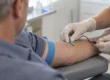

Testosterone levels naturally fluctuate through the day, and they also respond to food, sleep, illness, and exercise. That makes timing and preparation crucial for an accurate testosterone blood test. A sample taken at the wrong time, or after breakfast, can read low enough to suggest a problem that isn’t really there.
This guide covers the best time for a testosterone blood test, whether you need to fast, what to avoid beforehand, and how testing works if you are already on TRT.
Best Time of Day for a Testosterone Blood Test
For most men, testosterone levels peak early in the morning, so the ideal window for testing is between 7:00 AM and 10:00 AM. This follows your body’s natural circadian rhythm: levels rise overnight during sleep and drift down across the day. Testing in the afternoon can give a lower result that may not reflect your true testosterone status.
This daily swing is largest in younger men and becomes flatter with age, but morning testing is still recommended at every age so that results can be compared fairly against reference ranges. If you work night shifts, aim to test within about three hours of waking from your main sleep period.
Do You Need to Fast Before a Testosterone Test?
Yes, fasting is recommended. Eating, particularly sugary or carbohydrate-rich food, can lower testosterone temporarily. In one study, a glucose drink reduced testosterone by around a quarter within an hour or two, enough to push some men with normal levels into the low range.
Fasting for about 8–12 hours overnight (water is fine) helps improve the accuracy of your results. It also allows other markers often checked alongside testosterone, such as glucose and lipids, to be measured at the same time.
Body Conditions That Affect Your Results
Several factors can temporarily influence your testosterone levels. Here are the key conditions to consider:
- Stress: High stress levels can suppress testosterone. Try to be relaxed before your test for the most accurate results.
- Illness: If you are unwell or recovering from an illness or infection, your testosterone levels may be temporarily lower. It’s best to wait until you are fully recovered.
- Sleep: Poor or insufficient sleep can significantly reduce testosterone. Aim for a good night’s rest before testing. Learn more about sleep and testosterone.
- Exercise: A hard workout causes only a brief rise in testosterone that settles within about an hour, while very intense or prolonged training can lower levels for a day or more. Avoid heavy or unusual workouts the day before your test so that your result reflects your normal baseline.
- Alcohol: Heavy drinking the night before can affect hormone levels and liver markers. Keep alcohol minimal for a day or two beforehand.
Medications and Supplements to Mention
Tell your doctor about everything you take, as some medications and supplements can change the result or how it is interpreted:
- Biotin (vitamin B7): High-dose biotin, common in hair, skin, and nail supplements, can interfere with some lab tests and give misleading hormone results. Your doctor may advise stopping it for a few days before your blood draw.
- Opioids and steroid medications: These can lower testosterone and affect how your results are read.
- Anabolic steroids or testosterone boosters: These can raise or suppress your own production. Recent use matters, including after a steroid cycle.
Why One Test Isn’t Enough
Testosterone varies from day to day as well as within the day, so a single low reading is not enough to diagnose low testosterone. Clinical guidelines recommend two separate morning, fasting tests that both show low levels, alongside symptoms, before considering treatment.
Total testosterone alone also doesn’t tell the whole story. Depending on your results, your doctor may also check SHBG, free and bioavailable testosterone, LH, and FSH. Read more about why a total testosterone test alone isn’t enough to start TRT.
For tracking over time, it helps to use the same lab and the same method each time, because results from different testing methods can vary.
Testing While on TRT
If you are already on testosterone replacement therapy, the timing of your blood test depends on how you take it, because levels rise and fall between doses:
- Injections: Testing is usually done midway between injections or just before the next dose, depending on your protocol.
- Gels and creams: Testing is usually done a few hours after application, once you have been on a steady dose for at least a week.
Your doctor will tell you which timing suits your treatment. Monitoring on TRT also includes hematocrit, since testosterone can raise red blood cell levels.
Quick Checklist Before Your Test
- Book your blood draw between 7:00 and 10:00 AM
- Fast for 8–12 hours overnight; water is fine
- Sleep well the night before
- Skip heavy workouts and heavy drinking the day before
- Postpone the test if you are ill
- Tell your doctor about medications and supplements, especially biotin
Conclusion
By timing your blood test in the morning, fasting beforehand, and being mindful of your body’s condition, you’ll get the most accurate reading of your testosterone levels. If your results are borderline or unexpected, a repeat test is usually needed to get a full picture of your hormonal health.
Our health check-up includes a full hormone panel, and an online consultation can help you understand your results and plan the next step.
References
- Bhasin S, Brito JP, Cunningham GR, et al. Testosterone therapy in men with hypogonadism: an Endocrine Society clinical practice guideline. J Clin Endocrinol Metab. 2018;103(5):1715–1744.
- Mulhall JP, Trost LW, Brannigan RE, et al. Evaluation and management of testosterone deficiency: AUA guideline. J Urol. 2018;200(2):423–432.
- Brambilla DJ, Matsumoto AM, Araujo AB, McKinlay JB. The effect of diurnal variation on clinical measurement of serum testosterone and other sex hormone levels in men. J Clin Endocrinol Metab. 2009;94(3):907–913.
- Caronia LM, Dwyer AA, Hayden D, Amati F, Pitteloud N, Hayes FJ. Abrupt decrease in serum testosterone levels after an oral glucose load in men: implications for screening for hypogonadism. Clin Endocrinol (Oxf). 2013;78(2):291–296.
- Leproult R, Van Cauter E. Effect of 1 week of sleep restriction on testosterone levels in young healthy men. JAMA. 2011;305(21):2173–2174.
Testing requirements can differ between labs and treatment plans. Your doctor should interpret results in the context of your symptoms and medical history.