
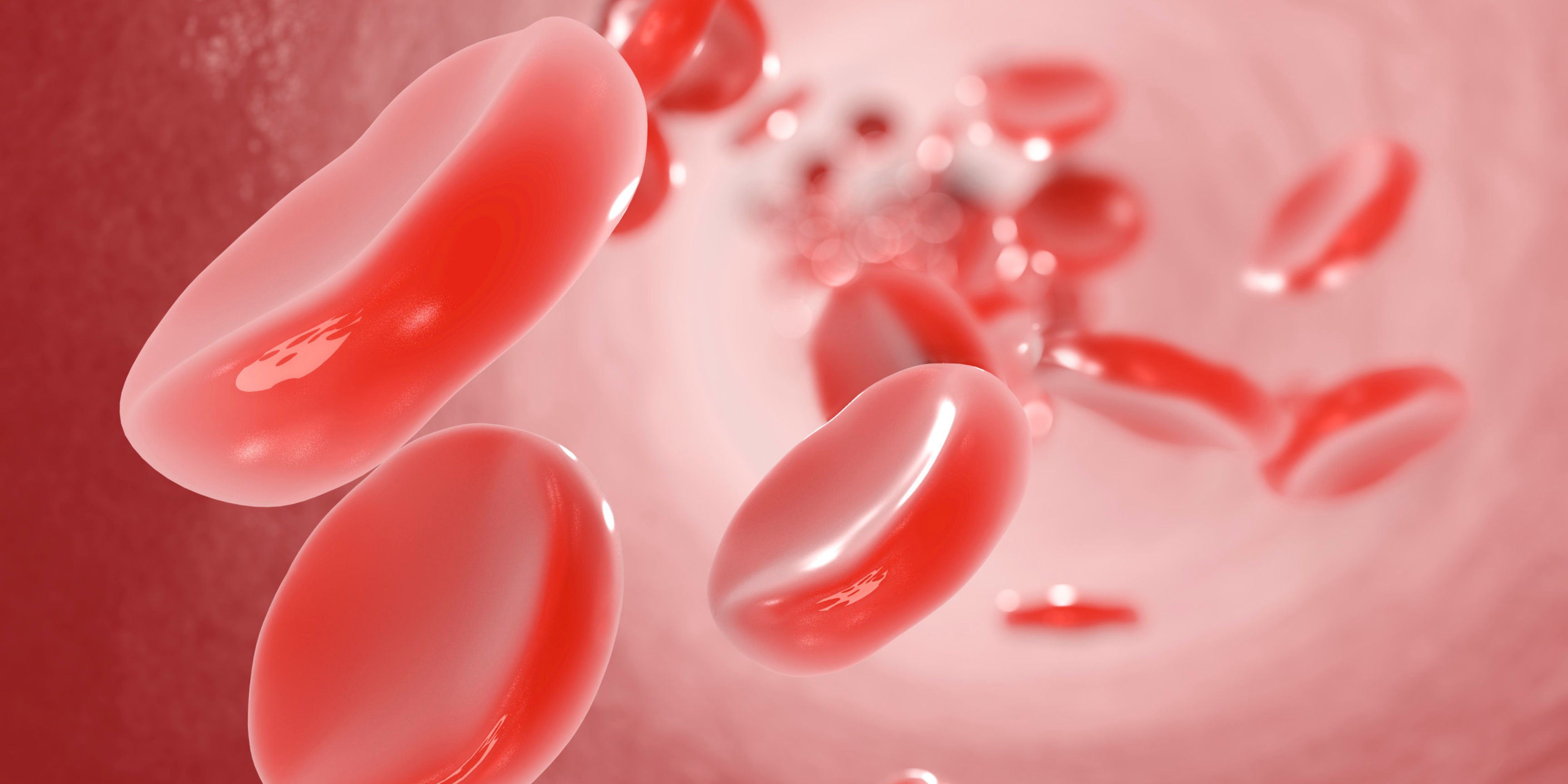
High hematocrit on testosterone therapy is the most common side effect that leads doctors to adjust treatment. Testosterone can improve energy, mood, muscle, and sexual function in men with confirmed low testosterone, and it also raises red blood cell production, measured as hematocrit. A modest rise is expected and usually harmless. A large rise, called erythrocytosis or secondary polycythemia, needs attention, because very thick blood may increase the risk of clots.
This article explains why it happens, who is most at risk, and how we monitor and manage it.
What Is Polycythemia?
Hematocrit is the percentage of your blood volume made up of red blood cells. In most labs, the upper limit for men is around 50 to 52%, though labs may vary slightly. When testosterone pushes hematocrit above the normal range, doctors call it secondary erythrocytosis, often loosely called polycythemia. This is different from polycythemia vera, a bone marrow disorder that is not caused by testosterone.
Endocrine Society guidelines use a hematocrit above 54% during treatment as the point at which testosterone therapy should be paused and the dose reviewed.
Why Testosterone Raises Red Blood Cells
Testosterone acts on red blood cell production in several ways:
- Erythropoietin (EPO). Testosterone increases EPO, the kidney hormone that tells the bone marrow to make red blood cells, helping the body maintain a higher hemoglobin level.
- Iron availability. Testosterone lowers hepcidin, the hormone that controls iron absorption and release, so more iron is available to build new red blood cells.
- Bone marrow. Testosterone also directly affects the marrow cells that develop into red blood cells.
Most of the rise happens in the first 3 to 12 months of treatment, after which levels usually settle.
Who Is Most at Risk?
Some men are more likely to develop high hematocrit on treatment:
- Injections, especially larger doses given less often, which cause high peaks in testosterone. Gels and other daily forms carry a lower risk.
- Higher doses or testosterone levels above the normal range
- Older age
- A higher hematocrit before starting
- Smoking
- Untreated sleep apnea and obesity, both of which lower oxygen levels during sleep. See sleep and testosterone and obesity and low testosterone.
- Lung disease or living at high altitude
Is High Hematocrit Dangerous?
Very high hematocrit makes the blood thicker, which in theory raises the risk of blood clots, stroke, and heart attack. The evidence in men on testosterone therapy is mixed:
- A large study of US health records found that men whose hematocrit rose above 52% in their first year of testosterone therapy had more major cardiovascular events and blood clots in the veins than men whose hematocrit stayed lower.
- The TRAVERSE trial, a large randomized trial in men with or at high risk of heart disease, found that testosterone did not increase heart attacks or strokes overall. Pulmonary embolism, atrial fibrillation and acute kidney injury were somewhat more common in the testosterone group. We monitored hematocrit throughout, and paused treatment if it rose above 54%.
Overall, this risk appears manageable with regular monitoring, which is why we keep hematocrit within a safe range rather than letting it climb.
Symptoms to Watch For
Most men with high hematocrit have no symptoms, which is why blood tests matter more than how you feel. When symptoms do occur, they may include:
- Headaches
- Dizziness or lightheadedness
- Fatigue
- Facial redness or flushing
- Itching after a warm shower
- Blurred vision
Seek urgent medical care if you have chest pain, sudden shortness of breath, weakness or numbness on one side of the body, slurred speech, or a painful, swollen calf.
How We Monitor Hematocrit
- Before starting. We check hematocrit as part of the blood tests before treatment. If it is already above 50%, we look for the cause before starting testosterone.
- During treatment. We recheck at 3 to 6 months, then at least once a year, and more often if it is rising.
- On the day of the test. Drink water as usual before your blood draw. Dehydration concentrates the blood and can give a falsely high reading.
Managing High Hematocrit on Testosterone Therapy
If your hematocrit rises too high, your doctor may recommend one or more of these steps:
- Adjusting the dose or schedule. A lower dose, or smaller injections given more often, reduces the peaks that drive red blood cell production. Switching to a gel is another option.
- Pausing treatment. If hematocrit is above 54%, pause treatment until it falls, then restart at a lower dose.
- Treating contributing causes, such as sleep apnea, smoking, or excess weight.
- Therapeutic phlebotomy or blood donation. Removing a unit of blood lowers hematocrit quickly and can help in some cases. Frequent repeated removal can deplete iron, so it is not a long-term solution on its own.
- Looking for other causes. If hematocrit stays high despite these changes, further tests may be needed to rule out other conditions, including polycythemia vera.
Staying well hydrated helps your blood test reflect your true level, but it does not lower your red blood cell count.
Conclusion
High hematocrit on testosterone therapy is common, but in most men, hematocrit stays within a safe range, and when it doesn’t, you can usually manage it by adjusting the dose or schedule. Regular blood tests are what keep treatment safe.
Our testosterone therapy program includes hematocrit checks before and during treatment. If you are already on testosterone and have not had your blood count checked recently, an online consultation or a health check-up is a good place to start.
References
- Bhasin S, Brito JP, Cunningham GR, et al. Testosterone therapy in men with hypogonadism: an Endocrine Society clinical practice guideline. J Clin Endocrinol Metab. 2018;103(5):1715–1744.
- Bachman E, Travison TG, Basaria S, et al. Testosterone induces erythrocytosis via increased erythropoietin and suppressed hepcidin: evidence for a new erythropoietin/hemoglobin set point. J Gerontol A Biol Sci Med Sci. 2014;69(6):725–735.
- Ory J, Nackeeran S, Balaji NC, Hare JM, Ramasamy R. Secondary polycythemia in men receiving testosterone therapy increases risk of major adverse cardiovascular events and venous thromboembolism in the first year of therapy. J Urol. 2022;207(6):1295–1301.
- Lincoff AM, Bhasin S, Flevaris P, et al. Cardiovascular safety of testosterone-replacement therapy. N Engl J Med. 2023;389(2):107–117.
Hormone results and treatment needs vary between individuals. Your doctor should interpret your results in the context of your symptoms and medical history.